What Is an Adenoidectomy?
Adenoidectomy is a surgery to remove the adenoids. Adenoids are small tissues at the back of the nose. They help fight infections, especially in children. However, sometimes adenoids become swollen or infected. In these cases, doctors may suggest removing them. Adenoidectomy is a common procedure, especially for children who have trouble breathing or frequent infections.
Symptoms and Conditions Leading to Adenoidectomy
Many children have enlarged or infected adenoids. This can cause several problems. For example, your child may:
Because these symptoms can affect daily life, doctors may recommend adenoidectomy.
Causes and Risk Factors
Enlarged or infected adenoids often happen because of repeated infections. Sometimes, allergies can also cause swelling. Children are more likely to need adenoidectomy because their adenoids are larger and more active. As children grow, adenoids usually shrink. However, some children continue to have problems. Family history and exposure to smoke can also increase risk.
Diagnosis and When Surgery Is Recommended
Doctors use several steps to decide if adenoidectomy is needed. First, they ask about symptoms. Next, they may look inside the nose and throat using a small camera. Sometimes, doctors order X-rays or sleep studies. Surgery is usually recommended if:
According to the CDC and WHO, surgery is safe and effective for most children with these problems.
The Adenoidectomy Procedure: What to Expect
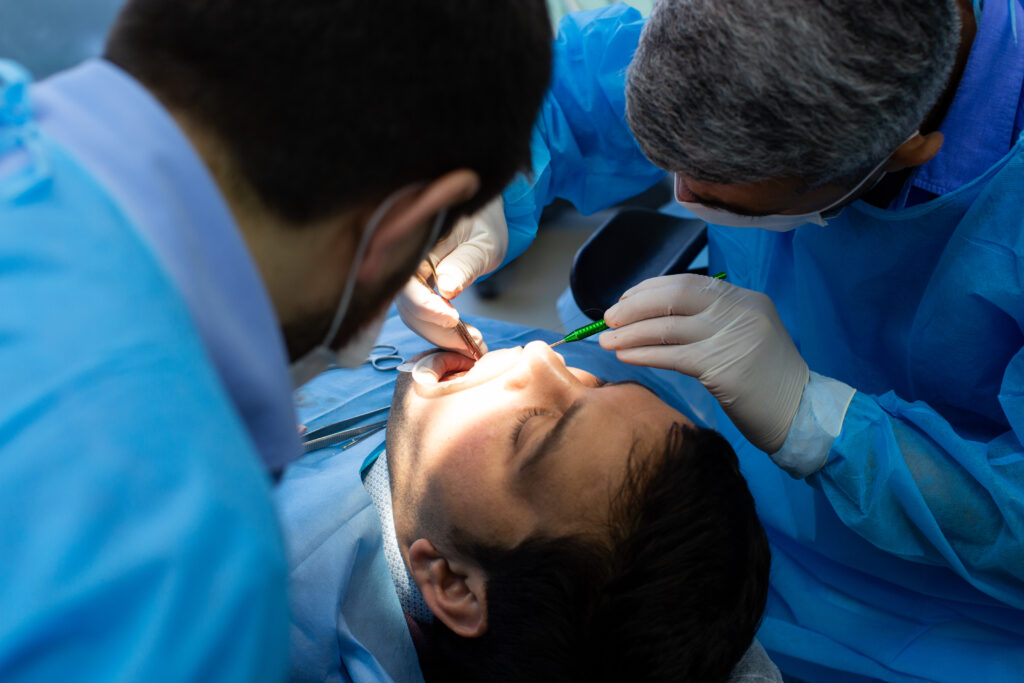
Before surgery, your doctor will explain the steps. Adenoidectomy is done under general anesthesia, so your child will be asleep. The surgeon removes the adenoids through the mouth. There are no cuts on the outside. The procedure usually takes less than an hour. Most children go home the same day. However, some may stay overnight for observation.
Recovery and Aftercare Tips
After adenoidectomy, recovery is usually quick. Most children feel better in a few days. To help your child recover:
Because the throat may be sore, your child may not want to eat much at first. However, this usually improves quickly.
Benefits and Potential Risks
Adenoidectomy can bring many benefits. For example, it can:
Although the surgery is safe, there are some risks. These may include:
Serious problems are rare. Your doctor will discuss all risks before the procedure.
Prevention and Lifestyle Guidance
While you cannot always prevent adenoid problems, some steps may help. For instance:
Because adenoids often shrink as children grow, some problems may improve over time.
Conclusion
Adenoidectomy is a common and safe surgery for children with breathing or infection problems. With proper care, most children recover quickly and feel better soon. Consult an ENT specialist Dr.Nikita Dhawan for personalized advice about adenoidectomy.