Introduction
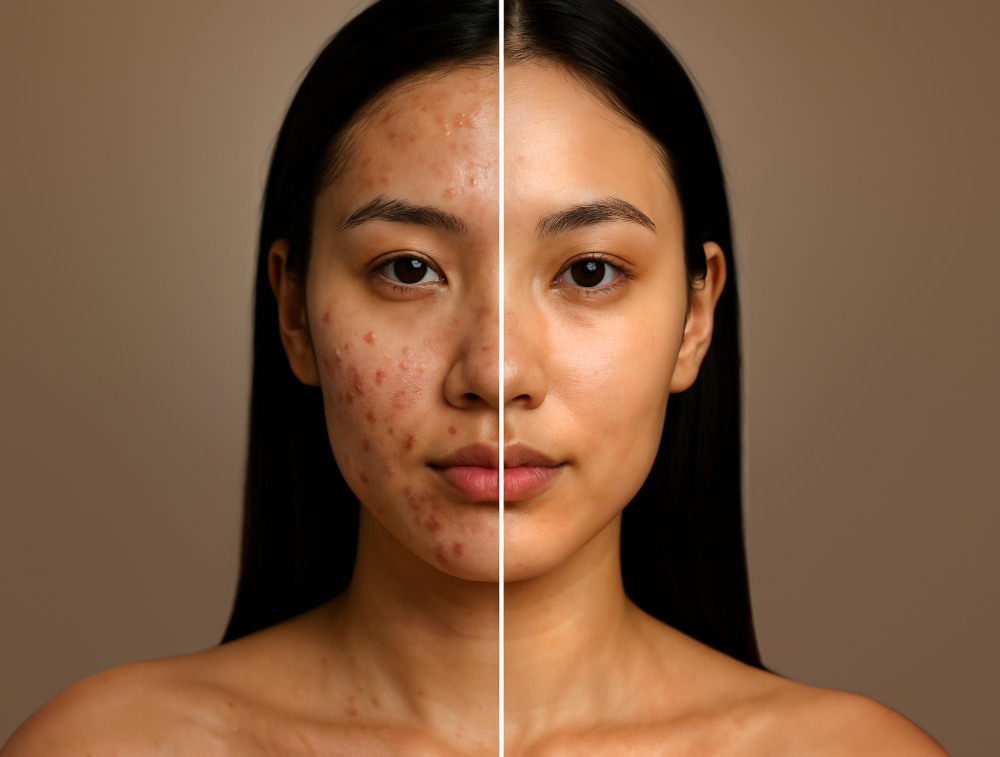
Many people feel relief when their acne finally clears. However, acne scars can remain long after the pimples are gone. If you are searching for acne scars treatment options, you are not alone. Acne scars can affect your skin’s look and your confidence. But, there are many ways to treat them. In this blog, we will explain why acne scars stay and how you can get rid of them. We will also cover the best treatments for acne scars and dermatologist-approved acne scar solutions.
What Are Acne Scars?
Acne scars are marks left on the skin after acne heals. These scars form when the skin tries to repair itself. Sometimes, the healing process does not go smoothly. As a result, scars can appear. While some scars fade over time, others may stay for years. For many, these scars are a reminder of past breakouts.
Types of Acne Scars
Not all acne scars look the same. In fact, there are several types. Knowing the type of scar helps in choosing the right treatment. Here are the main types:
Why Do Acne Scars Form?
Acne scars form when the skin’s healing process is disrupted. When acne causes deep damage, the skin makes new tissue to repair itself. Sometimes, the body makes too much or too little tissue. This can lead to scars. In addition, picking or squeezing pimples increases the risk of scarring. Genetics also play a role. Some people are more likely to scar than others.
Diagnosis and Assessment
Before starting treatment, it is important to know what type of scars you have. A dermatologist will examine your skin closely. They may use a bright light or a magnifying tool. Sometimes, photos are taken to track progress. This step helps find the best acne scar removal method for you. It also rules out other skin problems.
Medical Treatment Options
There are many dermatologist-approved acne scar solutions. The right choice depends on your skin type and scar type. Here are some of the best treatments for acne scars:
For those searching for “acne scar treatment near me,” many clinics offer these options. Always choose a certified dermatologist for the best results.
At-Home Remedies and Skincare Tips
While medical treatments are effective, at-home care can also help. Here are some tips to improve your skin and prevent new scars:
However, at-home remedies work best for mild scars. For deeper scars, medical treatments are often needed.
Prevention of Future Scarring
Preventing new scars is just as important as treating old ones. Here are some ways to lower your risk:
With these steps, you can keep your skin healthy and reduce the chance of new scars.
When to See a Dermatologist
If your scars bother you or do not improve with home care, it is time to see a dermatologist. They can offer the best treatments for acne scars. In addition, they will help you choose the safest and most effective options. Early treatment often leads to better results. So, do not wait if you want smoother, clearer skin.
Conclusion
Acne scars can be stubborn, but many treatment options are available. From laser therapy to at-home care, you have choices. Remember, the best way to get rid of acne scars is to work with a skin expert. Consult for personalized acne scar treatment advice.