What Are Acne Scars?
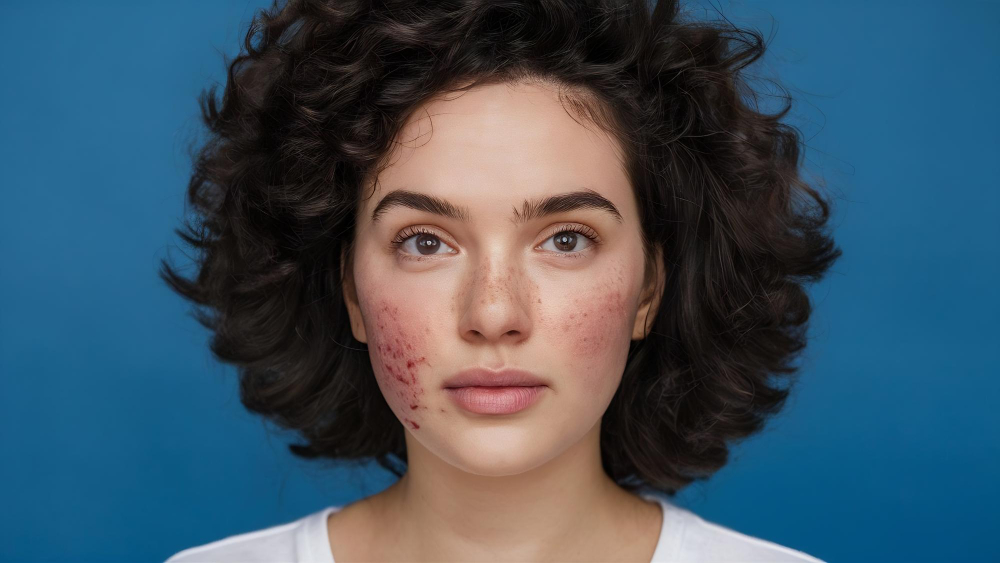
Acne scars are marks left on the skin after pimples heal. These scars can make skin look uneven. Many people want to know about acne scar treatment to get smoother skin. While some scars fade over time, others may stay for years. Because of this, many seek ways to improve their skin’s appearance.
Types of Acne Scars
Not all acne scars look the same. In fact, there are several types. Knowing the type helps choose the best treatments for acne scars. Common types include:
Causes of Acne Scarring
Acne scars form when the skin tries to heal after a pimple. Sometimes, the skin makes too much or too little tissue. As a result, scars appear. Picking or squeezing pimples can also increase the risk of scarring. In addition, severe or deep acne is more likely to leave scars.
Diagnosis and Assessment
First, a dermatologist will examine your skin. They look at the type and depth of scars. Sometimes, they may use a special light or magnifier. This helps them suggest the best acne scar treatment options for you. For example, some treatments work better for certain scar types.
Effective Acne Scar Treatment Options
There are many dermatologist-recommended acne scar solutions. The right choice depends on your skin and scar type. Here are some common treatments:
In many cities, these acne scar treatments are available at skin clinics. Always ask your dermatologist about the best treatments for acne scars for your needs.
At-Home Care and Lifestyle Tips
While professional care helps, at-home steps also matter. For example, gentle skin care can prevent new scars. Try these tips:
However, at-home care may not remove deep scars. Still, it can help your skin look its best.
Prevention of Acne Scars
Preventing scars is easier than treating them. Therefore, start acne treatment early. Here are some ways to lower your risk:
With these steps, you can help keep your skin smoother in the future.
When to See a Dermatologist
If scars bother you or home care is not enough, see a dermatologist. For example, deep or raised scars often need professional treatment. A skin doctor can suggest the best acne scar treatment options for your skin. In addition, they can help you avoid treatments that may not work for your scar type.
For smoother skin and lasting results, consult a dermatologist Dr.Nikita Dhawan for personalized acne scar treatment advice.