What Is Functional Rhinoplasty?
Functional rhinoplasty is a type of nose surgery. Unlike cosmetic rhinoplasty, its main goal is to improve how you breathe through your nose. Many people have trouble with nasal airflow due to blockages or structural issues. For this reason, functional rhinoplasty focuses on fixing these problems. This surgery is often called nasal obstruction surgery or ENT surgery for breathing. It can help people who struggle with daily breathing or have trouble sleeping because of blocked nasal passages.
Common Causes of Nasal Breathing Problems
There are several reasons why someone might have trouble breathing through their nose. Sometimes, these problems are present from birth. Other times, they develop after an injury or illness. For example, a broken nose can cause lasting blockage. In addition, allergies or infections can lead to swelling inside the nose. Here are some common causes:
Because these issues can block airflow, many people seek help from an ENT specialist.
Symptoms Indicating the Need for Functional Rhinoplasty
Not everyone with a stuffy nose needs surgery. However, certain symptoms may suggest that functional rhinoplasty could help. For instance, if you notice these signs, it may be time to see a doctor:
Additionally, if medicines or sprays do not help, surgery may be the next step.
How Is Functional Rhinoplasty Performed?
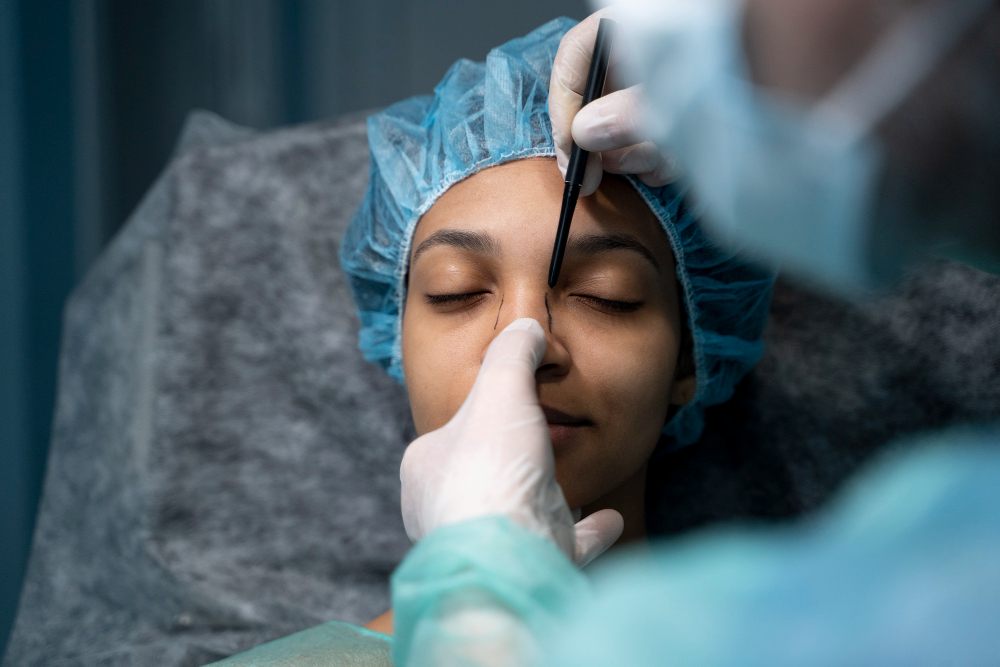
Functional rhinoplasty is usually done by an ENT surgeon. First, the doctor will examine your nose and may use a small camera to look inside. Sometimes, imaging tests like a CT scan are needed. During the surgery, the doctor will fix the parts of your nose that block airflow. For example, they may straighten the septum or reduce swollen tissues. In some cases, they may support weak nasal walls with grafts. The surgery can be done inside the nose, so there are often no visible scars. Most people go home the same day.
Benefits and Expected Outcomes
After functional rhinoplasty, most people notice a big improvement in breathing. Because the nose is now open, air can flow more easily. Here are some key benefits:
For many, these changes lead to a better quality of life. According to studies in medical journals, most patients are satisfied with their results.
Recovery and Aftercare Tips
Recovery from functional rhinoplasty is usually quick. However, you may have some swelling or mild pain for a few days. To help your nose heal, follow your doctor’s advice. Here are some helpful tips:
Because healing takes time, you may notice full results after a few weeks.
Prevention and Lifestyle Guidance
While some nasal problems cannot be prevented, you can take steps to protect your nose. For example, avoid injuries by wearing protective gear during sports. In addition, treat allergies and sinus infections early. Here are some simple tips:
Because healthy habits can make a difference, try to follow these steps every day.
Frequently Asked Questions
If you have more questions, talk to Dr Nikita Dhawan at Max Hospital
Conclusion: If you struggle with nasal breathing, do not ignore your symptoms. Consult a qualified ENT specialist to discuss your nasal breathing concerns and explore if functional rhinoplasty is right for you.