
Introduction
Mole & skin tag removal is a common reason people visit dermatologists. These minor dermatological procedures help remove unwanted skin growths safely. Many people want to know how these treatments work and what to expect. In this blog, you will learn about the process, safety, and aftercare for mole and skin tag removal. Understanding your options can help you make the best choice for your skin health.
What Are Moles and Skin Tags?
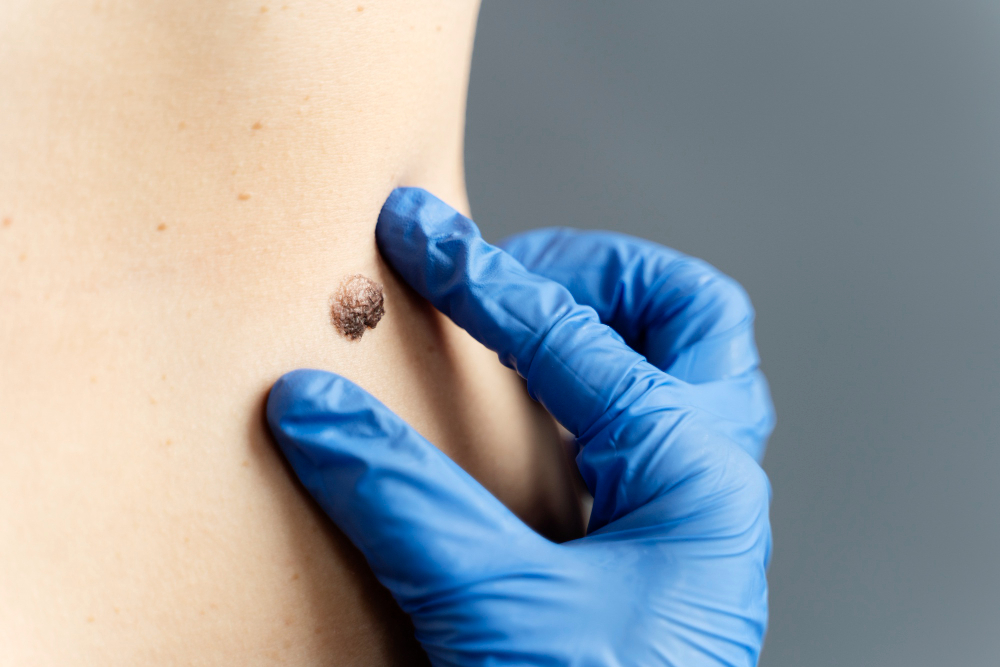
Moles are small, dark spots on the skin. They can be flat or raised. Most moles are harmless, but some may change over time. Skin tags are soft, small growths that hang off the skin. They are usually flesh-colored and painless. Both moles and skin tags are common in adults. However, if you notice changes in size, color, or shape, you should see a dermatologist.
Common Reasons for Removal
People choose mole and skin tag removal for many reasons. Some of the most common include:
For example, a mole that bleeds or grows quickly should be checked by a doctor. Early removal can prevent further problems.
Minor Dermatological Procedures for Removal
Dermatologists use several safe methods for mole and skin tag removal. Some common minor procedures include:
Most procedures are quick and done in the clinic. Usually, you can go home the same day. According to the American Academy of Dermatology, these methods are safe and effective for most people.
What to Expect During and After the Procedure
Before the procedure, your doctor will explain each step. First, the area is cleaned and numbed. Then, the chosen method is used to remove the mole or skin tag. The process usually takes less than 30 minutes. Afterward, you may notice mild redness or swelling. But this often goes away within a few days. Your doctor may cover the area with a small bandage. Healing is usually quick, and scars are often minimal.
Risks, Safety, and Aftercare Tips
Although these procedures are safe, there are some risks. These may include:
To reduce risks, always follow your doctor’s aftercare advice. For example, keep the area clean and dry. Avoid picking at the site. Use sunscreen to protect healing skin. If you notice signs of infection, such as pus or increased pain, contact your doctor right away. The Centers for Disease Control and Prevention (CDC) recommends proper wound care to prevent infection.
Prevention and Skin Health Guidance
While you cannot always prevent moles or skin tags, you can care for your skin. Here are some tips:
In addition, early detection of changes can help prevent serious problems. Healthy skin habits support overall well-being.
Conclusion
Mole & skin tag removal is a safe, minor procedure when done by a dermatologist. If you have concerns about a mole or skin tag, do not wait. Consult Dr Nikita Dhawan, a dermatologist for personalized advice on mole and skin tag removal.